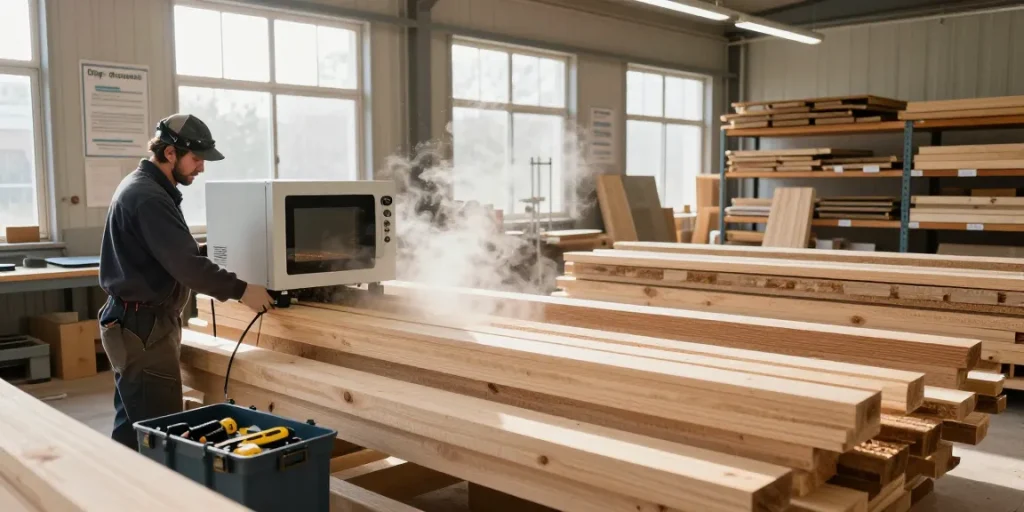

Understanding Wood-Boring Pests and Their Impact
Wood-boring pests are a significant concern for both homeowners and businesses alike. These pests can cause extensive damage to wooden structures, leading to costly repairs and safety concerns. In recent years, innovative solutions such as microwave technology from Shashel have emerged, offering chemical-free options for effective pest elimination. This article delves into the world of wood-boring insects, their lifecycle, and how to recognize the signs of infestation.
What Are Wood-Boring Pests?
Wood-boring pests are insects that feed on and damage wood, particularly in structures such as homes, furniture, and historical buildings. The most common types include woodworms, powderpost beetles, and the house longhorn beetle. These insects can cause severe structural damage, as they tunnel through the wood, weakening its integrity. As such, understanding their biology and behavior is crucial for effective management.
The Lifecycle of Typical Wood-Boring Insects
The lifecycle of wood-boring pests typically includes four stages: egg, larva, pupa, and adult. Eggs are laid on or in wood, and upon hatching, the larvae begin to feed on the wood, creating tunnels as they develop. This larval stage can last for several months to years, depending on environmental conditions. Once mature, they pupate and eventually emerge as adults to continue the cycle, often laying more eggs in the same or different structures.
Identifying Infestation Signs in Your Wood Structures
Recognizing the signs of wood-boring infestations is critical to preventing extensive damage. Key indicators include:
- Small holes in the wood surface, often with fine dust (frass) nearby.
- Visible tunnels within the wood, which can often be seen in cross-sections.
- Galleries or patterns in the wood grain indicating past feeding.
- Muffled sounds of larvae chewing inside the wood.
If you notice these signs, it is essential to act quickly to prevent further infestation.
Shashel Technology: A Revolutionary Approach to Pest Elimination
Shashel has transformed the landscape of pest control with its innovative microwave technology. This method is unique in its ability to eradicate wood-boring pests effectively while maintaining safety for both structures and their occupants.
How Microwave Technology Works Against Woodworms
The Shashel system utilizes microwave energy to heat the wood, targeting water molecules within it. As the temperature rises to between 50°C and 60°C (120°F and 140°F), it effectively kills the beetles, larvae, and eggs through rapid dehydration. This method penetrates deep into the wood, ensuring a comprehensive treatment that conventional methods often fail to achieve.
Comparing Shashel to Conventional Pest Control Methods
Traditional pest control methods often rely on toxic chemicals, which can pose health risks to humans and pets. In contrast, Shashel’s microwave technology eliminates pests without the use of harmful substances, making it a safer and more eco-friendly option. Additionally, while conventional methods might require multiple applications to ensure effectiveness, Shashel’s approach can often achieve results in a single treatment session.
Safety and Environmental Benefits of Using Shashel
One of the most significant advantages of using Shashel technology is its safety profile. Since the method is entirely chemical-free, it minimizes health risks associated with exposure to pesticides. Furthermore, it reduces environmental impact, as there are no harmful residues left in the treated area. This focus on safety aligns with modern pest management practices that prioritize health and sustainability.
Best Practices for Using Shashel Equipment
To maximize the effectiveness of Shashel equipment, it is essential to follow best practices when operating the devices.
Step-by-Step Guide to Operating Shashel Devices
- Ensure the area is cleared of any obstacles and that all people and pets are removed from the vicinity.
- Set up the Shashel device according to manufacturer guidelines, positioning it to focus on infested areas.
- Adjust settings for temperature and duration based on the severity of the infestation.
- Monitor the treatment process and ensure it runs for the recommended time to achieve optimal results.
- After treatment, inspect the area to confirm that signs of infestation have been eliminated.
Common Mistakes and How to Avoid Them
Many users may underestimate the severity of an infestation or fail to follow operational guidelines closely. Common mistakes include:
- Inadequate temperature settings leading to ineffective treatment.
- Not covering all infested areas, which can result in a resurgence of pests.
- Failing to monitor the treatment process, which can compromise effectiveness.
By understanding these pitfalls, users can ensure a successful treatment experience.
Maintaining Your Shashel System for Optimal Performance
Regular maintenance of the Shashel equipment is critical to prevent malfunctions and ensure consistent performance. Ensure that the device is regularly cleaned and inspected for any wear and tear. Keeping all components in good condition will extend the life of the system and guarantee the best results in pest control.
Case Studies: Successful Shashel Treatments
Real-world applications of Shashel technology demonstrate its effectiveness in various scenarios, showcasing its versatility and reliability.
Residential Applications: Homeowners’ Success Stories
Numerous homeowners have shared their positive experiences with Shashel. For instance, a family in an older Victorian house discovered extensive woodworm damage in their beams. After a single treatment with Shashel, they reported that the infestation was eliminated, and they could proceed with their renovations without concerns about further insect damage.
Commercial Uses: Restoring Vintage Wood Structures
Shashel technology has also been utilized in commercial applications, particularly in the restoration of historical buildings. A recent project involved a 19th-century library that had suffered from wood-boring insect damage. The use of Shashel allowed for a preservation-friendly solution that prevented further damage while maintaining the building’s historical integrity.
Comparing Treatment Results: Before and After Shashel
Before using Shashel, many properties exhibit clear signs of infestation, such as frass, visible tunnels, and weakened structures. After treatment, these indicators are often eliminated, leaving behind structurally sound wood and peace of mind for owners.
Future Trends in Pest Control Technology
The pest control industry is rapidly evolving, with several key trends expected to shape its future. As technology advances, pest management strategies will become even more effective and user-friendly.
Emerging Innovations and Predictions for 2026
By 2026, we can expect further innovations in pest control technologies, including enhanced microwave systems and the incorporation of artificial intelligence to detect infestations early. These advancements could lead to more targeted and efficient methods of pest management.
The Role of IoT in Future Pest Management Solutions
The Internet of Things (IoT) is set to revolutionize the pest control industry by allowing for real-time monitoring of pest activity. Smart sensors could be used to detect infestations before they escalate, enabling timely interventions that minimize damage.
How Shashel is Pioneering the Next Generation of Pest Control
Shashel stands at the forefront of this technological revolution, continuously investing in research and development to enhance their microwave systems. Their commitment to innovation ensures they remain a leading solution for pest elimination in the years to come.
What Are the Health Implications of New Pest Control Technologies?
New pest control technologies like Shashel’s offer substantial health benefits by reducing reliance on toxic chemicals. This shift improves indoor air quality and minimizes exposure risks, aligning with modern health standards and consumer preferences for safer living environments.
How to Stay Informed About Emerging Products and Techniques?
To stay updated on new pest control technologies, it is essential to follow industry publications, attend trade shows, and engage with professional networks. Additionally, resources from companies like Shashel can provide valuable insights into innovative treatments and best practices.