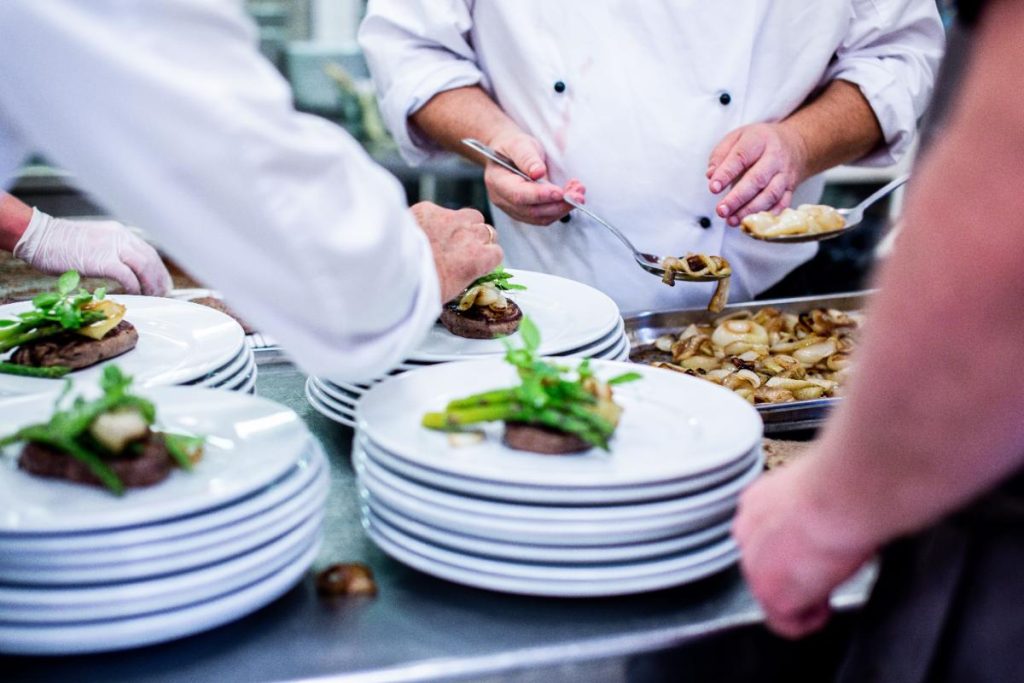

Equipping a commercial kitchen is one of the largest capital decisions a hospitality business will make. Whether you are opening a new restaurant, upgrading an existing kitchen, or fitting out a contract catering facility, the equipment you choose directly impacts output speed, energy costs, food safety compliance, and long-term maintenance bills. Here is a practical framework for making the right decisions.
Start with a Kitchen Flow Assessment
Before purchasing any equipment, map out your kitchen workflow. Where does food come in? Where is prep completed? Where does service happen? A well-designed kitchen eliminates cross-contamination risks, reduces unnecessary movement, and allows multiple staff to work efficiently in the same space.
The layout dictates what equipment you need and in what configuration. A linear layout suits high-volume production kitchens. An island layout works well for brigade-style restaurant kitchens. Get the layout right first — retrofitting equipment around a poorly designed flow is expensive.
Prioritise Heavy Equipment First
Large fixed equipment — commercial ovens, refrigeration units, warewashers, and extraction systems — should be specified and ordered first. These items have the longest lead times, require the most installation work, and often determine where everything else sits.
Key items to specify early:
-
Refrigeration — Walk-in cold rooms or under-counter units? Your menu and volume determine this. Look for energy efficiency ratings and compressor reliability above all else.
-
Warewashing — A pass-through dishwasher suits high-volume operations. Hood-type machines are faster but require more space and ventilation.
-
Cooking equipment — Combination ovens, induction ranges, and salamander grills are the workhorses of most professional kitchens. Specify by output capacity, not just size.
Leasing vs. Outright Purchase
For operators managing cash flow, equipment leasing is worth serious consideration. Monthly payments spread the capital cost and allow you to upgrade as technology improves. Many suppliers of now offer structured leasing agreements that include maintenance packages — reducing both upfront spend and the risk of unexpected repair costs.
Outright purchase makes sense for equipment with a long service life and low obsolescence risk — basic refrigeration units and stainless steel prep tables, for example. For technology-driven equipment like , leasing or rental with a service contract often delivers better long-term value.
Energy Efficiency: A Cost You Cannot Ignore
Commercial kitchen equipment runs for long hours under heavy demand. A few percentage points of energy efficiency difference between two models can translate to hundreds of pounds annually in energy bills. In the UK, where energy costs have remained elevated, this calculation matters more than ever in 2026.
Look for:
-
A energy ratings on refrigeration
-
Induction rather than gas where possible for faster heat-up and lower ambient temperature
-
Demand-controlled ventilation systems that adjust extraction based on actual heat load
After-Sales Support and Parts Availability
Equipment will break. The question is how quickly it gets fixed. Before purchasing, verify:
-
Is there a UK-based service team or authorised engineer network?
-
How long is the parts warranty?
-
What is the typical call-out response time?
Buying from a specialist supplier rather than a general retailer significantly improves your chances of fast, competent after-sales support. Specialists carry parts stock, understand installation requirements, and have direct manufacturer relationships that general retailers do not.
Checklist Before You Sign
-
✅ Kitchen flow mapped and layout confirmed
-
✅ Equipment specified by output capacity, not physical size
-
✅ Energy ratings compared across shortlisted models
-
✅ Leasing vs. purchase decision made per category
-
✅ After-sales and warranty terms verified in writing
-
✅ Installation and commissioning included or separately quoted
Buying commercial catering equipment is a long-term investment. Take the time to specify correctly, compare suppliers on service as much as price, and plan your kitchen flow before a single item is ordered.