Understanding the Motchill Lifestyle
The Motchill lifestyle is rapidly gaining traction in urban environments, characterized by a unique blend of relaxation, community engagement, and eco-conscious living. It advocates for a balanced approach to city life, encouraging residents to create spaces that foster mental clarity and physical health while maintaining strong ties to their communities. This article delves into what constitutes the Motchill lifestyle, its defining features, and how it can be integrated into urban living. By embracing this philosophy, individuals can enhance their quality of life amidst the hustle and bustle of city living. When exploring options, Motchill provides comprehensive insights into creating a relaxed, fulfilling urban existence.
What is Motchill?
Motchill is more than a buzzword; it embodies a mindset that prioritizes relaxation and mindfulness in everyday life. It emerged from the recognition that modern urban living often leads to stress and disconnection, both from nature and community. The term itself is a portmanteau of "mood" and "chill," emphasizing a lifestyle that encourages people to be in tune with their feelings and surroundings. The ultimate goal of Motchill is to cultivate a serene environment, promoting well-being through various practices, design choices, and community initiatives.
Key Features that Define Motchill
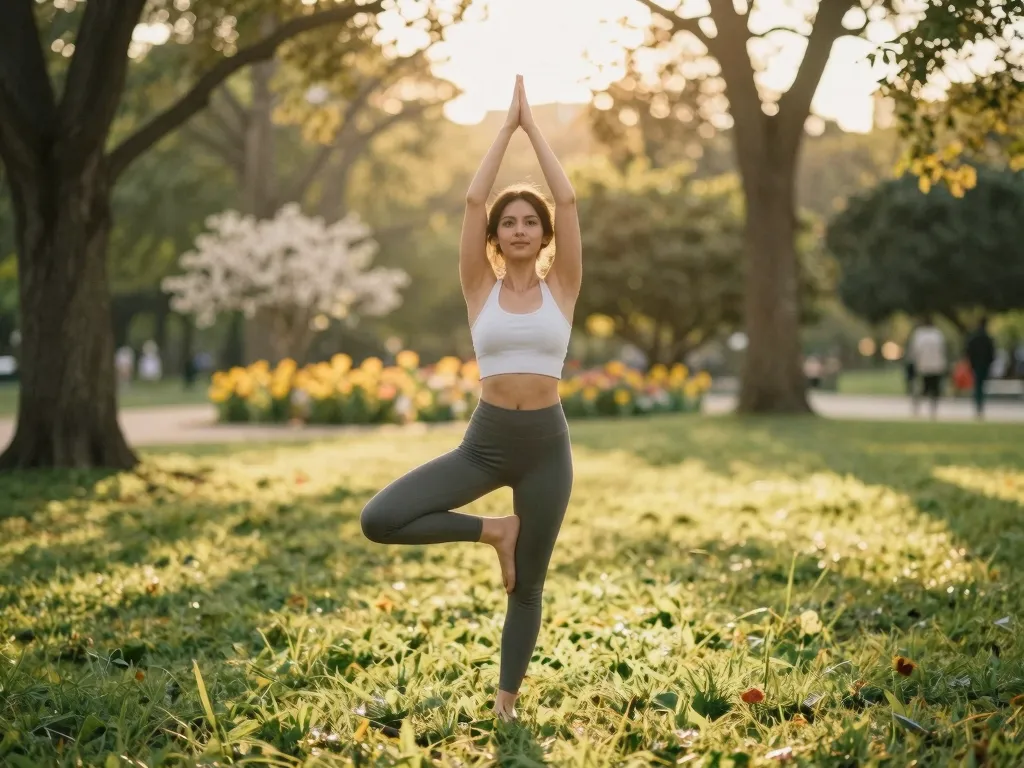
- Mindfulness Integration: At its core, Motchill promotes mindfulness, which involves being present and fully engaged in the moment. This can be practiced through meditation, yoga, or simply taking a moment to breathe deeply and appreciate one’s surroundings.
- Community Connection: Building connections with neighbors and local businesses is essential in a Motchill lifestyle. This can foster a sense of belonging and collective support within urban settings.
- Eco-Conscious Choices: Sustainability plays a pivotal role, encouraging residents to adopt eco-friendly practices such as recycling, using public transport, and supporting local produce.
- Natural Elements: Incorporating nature into living spaces—through plants, natural light, and outdoor activities—contributes significantly to the Motchill ambiance.
Benefits of Adopting a Motchill Approach
Integrating a Motchill approach offers numerous benefits that enhance both individual and communal well-being. Firstly, it significantly reduces stress levels, leading to improved mental health. When individuals engage with their environments mindfully and nurture community ties, they often experience heightened feelings of joy and fulfillment. Moreover, the focus on eco-friendly practices promotes a healthier planet and encourages sustainable habits that can benefit future generations. Additionally, Motchill cultivates a supportive community network, creating a safety net for urban dwellers who often feel isolated.
Creating a Motchill Environment
Essential Elements of a Motchill Space
Creating a Motchill environment requires deliberate choices that foster tranquility and connection. Essential elements include:
- Comfortable Furniture: Choose soft furnishings that invite relaxation. Think plush sofas, bean bags, and hammocks that encourage lounging.
- Soft Lighting: Opt for warm, soft lighting to create a calming atmosphere. Floor lamps and fairy lights can add to the serene vibe.
- Natural Decor: Incorporating plants and natural materials like wood or stone can enhance the calming effects of your space.
- Art and Personal Touches: Display artwork or photographs that evoke positive memories or emotions, making the space uniquely yours.
Incorporating Nature into Urban Living
Transitioning to a Motchill lifestyle involves a deep appreciation for nature, even in urban settings. Urban gardens, green roofs, and vertical gardens are excellent ways to bring greenery into your life. Additionally, taking time to visit local parks, botanical gardens, or natural reserves can help individuals reconnect with nature, fostering a sense of peace and well-being.
Design Trends for Motchill-Inspired Spaces
As we move toward 2026, several design trends will enhance the Motchill lifestyle:
- Biophilic Design: This design approach reconnects people with nature, incorporating elements such as living walls and indoor gardens.
- Sustainable Materials: The use of recycled and eco-friendly materials in furniture and decor will continue to rise, emphasizing the importance of sustainability.
- Flexible Spaces: Creating versatile living spaces that can serve multiple purposes—like work, leisure, and socializing—is increasingly valuable in urban settings.
Motchill and Community Engagement
Building Connections in Urban Areas
A core tenet of the Motchill philosophy is strengthening community ties. Urban dwellers can engage in community gardening, cultural festivals, and local markets to foster connections. These interactions not only promote socialization but also encourage locals to support one another, creating a resilient and thriving neighborhood.
Events and Gatherings that Promote Motchill
Community events serve as focal points for fostering the Motchill lifestyle. Activities like outdoor movie nights, yoga classes in the park, or art fairs can bring diverse groups together, encouraging interaction and collaboration. Such gatherings provide a relaxed atmosphere where residents can connect over shared interests.
Supporting Local Businesses through Motchill
A Motchill lifestyle advocates for purchasing from local businesses, enhancing the community's economic health. Supporting local farmers’ markets, independent shops, and small restaurants not only enriches the local culture but also reduces the carbon footprint associated with transportation. This engagement fosters a sense of community, as residents work together to strengthen the local economy.
Health and Wellbeing in the Motchill Lifestyle
Physical Wellness: Staying Active in Urban Settings
Maintaining physical health is integral to the Motchill lifestyle. Urban dwellers should leverage their environments to stay active. Walking or cycling to local shops, participating in community sports leagues, or attending fitness classes in parks can help individuals keep fit. Moreover, encouraging active commuting reduces stress and connects residents with their neighborhoods.
Mental Health Benefits of a Chill Lifestyle
Emphasizing relaxation and mindfulness, the Motchill approach yields significant mental health benefits. Engaging in mindfulness practices like meditation or simply unwinding in a comfortable space contributes to reducing anxiety and improving emotional resilience. Regular participation in community activities can also combat loneliness, fostering a sense of belonging and purpose.
Mindfulness Practices for Motchill Individuals
To embrace the Motchill lifestyle more fully, individuals should incorporate mindfulness practices into their daily routines. Techniques such as journaling, mindful eating, and nature walks can enhance awareness and promote relaxation. Additionally, setting aside time for personal reflection and gratitude can significantly improve mental clarity and overall life satisfaction.
The Future of Motchill Living
Emerging Trends for 2026 and Beyond
As the concept of Motchill continues to evolve, emerging trends are likely to shape its future. Urban designers are increasingly integrating green spaces into city planning, promoting biodiversity and encouraging residents to engage with their environments. Furthermore, community-driven initiatives focused on inclusivity and well-being will become more prevalent as urban residents prioritize holistic approaches to living.
Innovative Technologies Supporting Motchill
The rise of technology will also play a vital role in enhancing the Motchill lifestyle. Smart home devices that promote energy efficiency and comfort can help residents create a more relaxing atmosphere. Additionally, technology solutions that facilitate community engagement—such as local social apps or platforms that promote events—will strengthen urban networks, enhancing connectivity and support.
Adapting Motchill to Changing Urban Landscapes
As cities evolve, adapting the Motchill lifestyle to changing urban landscapes is essential. This involves recognizing the challenges of urbanization while seeking innovative solutions to create spaces that prioritize well-being. Urban planners, architects, and community stakeholders must work together to design inclusive and sustainable environments that embody the Motchill principles, ensuring a high quality of life for all residents.
What does Motchill mean for urban dwellers?
For urban dwellers, the Motchill lifestyle represents a shift towards a more balanced, fulfilling existence. It encourages individuals to carve out spaces of tranquility amidst the chaos of city life, fostering connections with both themselves and their communities.
How can I create a Motchill environment at home?
To create a Motchill environment at home, focus on comfort, relaxation, and natural elements. Incorporate plants, utilize soft lighting, and arrange your space to facilitate mindfulness practices like meditation and yoga. Personalizing your decor with items that bring joy and tranquility will enhance your home’s Motchill ambiance.
What are the health benefits associated with a Motchill lifestyle?
The health benefits of adopting a Motchill lifestyle include reduced stress, improved mental clarity, enhanced physical well-being, and stronger community ties. By prioritizing mindfulness and relaxation, individuals can experience significant emotional and physical health improvements, leading to a more satisfying life.
How can I engage with my community in the Motchill way?
Engaging with your community in a Motchill way involves embracing local activities, supporting local businesses, and participating in community events. Volunteer opportunities, neighborhood gatherings, and local markets provide excellent platforms for building connections and enriching your community.
What future trends should I watch for in Motchill living?
Future trends in Motchill living will likely emphasize sustainability, community engagement, and innovative design. Look for increased green spaces in urban planning, the rise of technology that encourages connectivity, and a stronger focus on mental and physical health initiatives as central components of urban living.