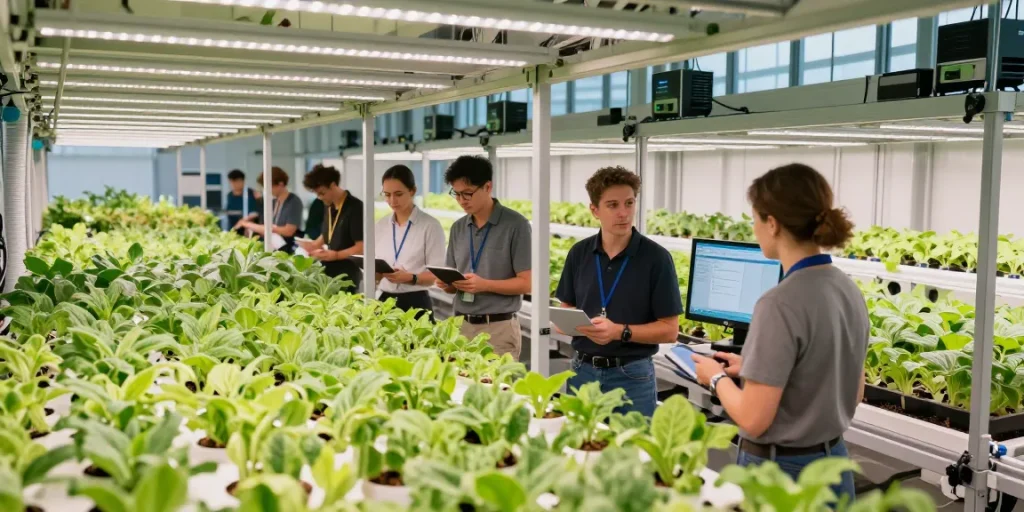

Understanding CIKA4D and Its Role in Indoor Agriculture
The world of agriculture is evolving rapidly, especially with the rising necessity for sustainable practices and innovative techniques in food production. CIKA4D and DAG Facilities stand at the forefront of this evolution, offering modern design and construction solutions tailored specifically for indoor agriculture (Indoor AG). By focusing on grow rooms, vertical farming, and controlled horticultural facilities, CIKA4D not only enhances productivity but also addresses critical challenges faced by modern farmers. For those exploring options in indoor agriculture, cika4d provides comprehensive insights into advanced agricultural solutions.
What is CIKA4D?
CIKA4D is a pioneering service provider specializing in the design and construction of facilities geared towards indoor agriculture. Their expertise encompasses a range of services including planning, developing, and implementing indoor farming solutions that prioritize efficiency and sustainability. By integrating cutting-edge technology with design principles, CIKA4D aims to create optimal growing environments that facilitate plant health and productivity. This commitment to innovation is reflected in their multifaceted approach, which includes climate control systems, advanced lighting setups, and ergonomic space designs.
The Evolution of Indoor Agriculture
Indoor agriculture has undergone significant transformation over recent years, driven by technological advancements and growing consumer demands for local and sustainable produce. Traditional farming methods are increasingly being supplanted by innovative practices such as vertical farming, hydroponics, and aeroponics. These methods provide solutions to common agricultural challenges, including limited arable land and unpredictable weather conditions, enabling year-round crop production. Companies like CIKA4D are leading this transformation, ensuring that modern agricultural practices meet the needs of both producers and consumers.
Importance of Modern Design Solutions
The design of indoor agriculture facilities plays a crucial role in their efficiency and efficacy. Proper facility layouts, combined with state-of-the-art technology, can dramatically enhance crop yield and reduce operational costs. CIKA4D’s focus on modern design solutions ensures that each facility is tailored to the specific needs of its users. By applying principles of user-centric design and environmental stewardship, CIKA4D empowers farmers to achieve unprecedented productivity while minimizing environmental impact.
Best Practices for Designing CIKA4D Facilities
Key Design Elements for Grow Rooms
When designing grow rooms, several key elements must be considered to foster an ideal growing environment. These include:
- Lighting: Incorporating LED grow lights that simulate natural sunlight can significantly enhance growth rates and yield quality.
- Ventilation: Proper airflow is essential for maintaining optimal humidity and temperature levels, which are crucial for plant health.
- Hydroponic Systems: Utilizing hydroponics can improve water efficiency and allow for greater control over nutrient delivery.
- Modular Design: Designing flexible spaces that can adapt to different crops or growth cycles increases facility versatility and longevity.
Integrating Sustainable Practices in Facility Design
Sustainability is a fundamental principle of modern agriculture, and CIKA4D incorporates these practices into every facility design. This includes using energy-efficient systems, such as solar panels and rainwater harvesting systems, which reduce the carbon footprint and operational costs. Additionally, sustainable materials can be chosen for construction, further contributing to the overall environmental benefits of indoor agriculture. By integrating sustainability into facility designs, CIKA4D not only promotes ecological health but also appeals to increasingly eco-conscious consumers.
Technology Tools for Efficient Operations
Modern technology plays a vital role in the management and operation of indoor agriculture facilities. Tools such as automated climate control systems, nutrient delivery systems, and monitoring software streamline operations and maximize efficiency. These technologies allow farmers to remotely monitor conditions within their facilities, adjusting parameters to suit the specific needs of the plants. By embracing these tools, CIKA4D facilities can achieve optimal growth conditions while minimizing labor costs.
Common Challenges in CIKA4D Implementation
Addressing Delays in Project Execution
Despite the advantages of indoor agriculture, several challenges can arise during the implementation of CIKA4D projects. One common issue is delays in project execution, often caused by supply chain disruptions or regulatory hurdles. To mitigate these challenges, CIKA4D emphasizes thorough planning and has established strong relationships with suppliers to ensure that materials arrive on time. By adopting agile project management techniques, CIKA4D can adapt to unexpected developments and keep projects on track.
Overcoming Technical Barriers
Technical barriers can also pose significant challenges in setting up indoor agriculture facilities. These may include complexities in system integration or the need for specialized expertise in areas such as hydroponics or climate control technology. CIKA4D addresses these issues by fostering a collaborative approach among architects, engineers, and horticultural specialists. This multidisciplinary teamwork ensures that all technical aspects are expertly managed and aligned with the overall design goals.
Ensuring Compliance with Regulations
Compliance with health and safety regulations is paramount in the agricultural sector. CIKA4D is committed to incorporating all necessary regulatory requirements into their designs, ensuring that facilities not only meet industry standards but also promote safe and healthy working environments for employees. By staying abreast of changing regulations and industry best practices, CIKA4D helps clients navigate the complex landscape of agricultural compliance effectively.
Real-World Examples of Successful CIKA4D Projects
Case Studies of Innovative Grow Rooms
Several successful case studies highlight the effectiveness of CIKA4D’s approach to indoor agriculture. One notable example is the establishment of a vertical farm in an urban setting, designed to maximize space while providing locally grown produce. By implementing modular grow systems and advanced LED lighting technology, this facility has achieved remarkable yields and has become a model for future urban agricultural projects.
Benefits Realized by CIKA4D Facility Users
Users of CIKA4D facilities have reported numerous benefits, including increased crop yields, reduced operational costs, and enhanced sustainability. By optimizing the growing environment, users can grow healthier plants more efficiently, resulting in better quality produce and increased profitability. Furthermore, the flexibility offered by CIKA4D designs allows farmers to quickly adapt their operations to changing market demands or growing conditions.
Lessons Learned from Industry Leaders
Insights gained from industry leaders who have implemented CIKA4D solutions can provide valuable guidance for new entrants into the indoor agriculture market. Common themes include the importance of investing in quality infrastructure, the necessity of continuous learning and adaptation, and the benefits of building strong networks within the agricultural community. By following these lessons, farmers can position themselves for success in the competitive landscape of modern agriculture.
The Future of CIKA4D in Indoor Agriculture
Emerging Technologies and Trends for 2026
As we look towards the future of indoor agriculture, several emerging technologies are poised to transform the landscape. Innovations such as artificial intelligence (AI) for crop management, advanced robotics for task automation, and blockchain for supply chain transparency are set to revolutionize how indoor farms operate. CIKA4D is at the forefront of these trends, continually exploring ways to integrate new technologies into their designs.
Predictions for the Indoor Agriculture Market
Market analysts predict that the indoor agriculture sector will continue to expand, driven by increasing consumer demand for fresh and sustainably sourced produce. By 2026, it is expected that indoor farms will play a critical role in global food supply, with a significant portion of urban populations relying on locally produced food. CIKA4D aims to lead this charge by innovating and improving design and construction standards across the industry.
Long-term Sustainability Goals in Farming
The push for sustainability will remain a driving force in agriculture, with a focus on reducing environmental impact and enhancing food security. CIKA4D’s commitment to sustainable facility design will align with these goals, creating agricultural systems that support long-term ecological health. By prioritizing sustainability, CIKA4D not only fulfills a market demand but also contributes positively to global environmental challenges.
What are the Benefits of CIKA4D Services?
CIKA4D services offer a wide range of benefits, including enhanced crop yields, cost savings, and sustainable practices that align with the needs of modern agriculture. By leveraging the latest technologies and design principles, farmers can optimize their operations, leading to greater productivity and profitability.
How to Get Started with CIKA4D?
For those interested in embracing indoor agriculture, getting started with CIKA4D involves an initial consultation to assess specific needs and goals. From there, a customized plan can be developed that outlines the design, technology, and construction phases, ensuring that the facility meets the unique requirements of its users.
What are the Costs Associated with CIKA4D Implementation?
While costs can vary depending on the scale and complexity of the project, investing in CIKA4D services typically yields significant long-term benefits. By evaluating initial investment costs against potential savings and increased production, farmers can make informed decisions about their indoor agriculture ventures.
What Technologies are Used in CIKA4D Facilities?
CIKA4D facilities utilize an array of advanced technologies to create optimal growing conditions. These include climate control systems, automated nutrient delivery systems, advanced lighting technologies, and monitoring software that provide real-time data on growing conditions. By incorporating these technologies, CIKA4D ensures that every facility can achieve the best possible outcomes for crop production.
How to Maintain CIKA4D Systems Effectively?
Effective maintenance of CIKA4D systems is crucial for ensuring long-term success. Regular monitoring of environmental conditions, routine checks of equipment, and ongoing training for staff can help maintain the efficiency and productivity of the facility. Additionally, establishing a proactive maintenance schedule can mitigate potential issues before they escalate.