
Understanding Vision Correction: The Basics of Коррекция зрения
Vision correction, known in Russian as Коррекция зрения, encompasses a range of treatments and procedures aimed at improving visual acuity and overall eye health. As technology advances and our understanding of human vision evolves, various options have emerged to address common vision problems. This article delves into the fundamentals of vision correction, highlighting key treatments, the significance of professional assessments, and how SNU Eye Clinic stands out in this field.
What is Коррекция зрения?
Коррекция зрения refers to methods and procedures utilized to enhance or restore vision. These solutions may include corrective lenses, laser surgeries, or implantable lenses, designed to provide clearer vision and improve the quality of life for patients. With a growing prevalence of vision impairments due to factors like aging and screen exposure, understanding these corrective options is more critical than ever.
Common Vision Problems Addressed
Patients often seek vision correction for several prevalent conditions, including:
- Myopia (Nearsightedness): Difficulty seeing distant objects clearly.
- Hyperopia (Farsightedness): Trouble focusing on nearby objects.
- Astigmatism: Distorted vision due to an irregularly shaped cornea.
- Presbyopia: Age-related difficulty focusing on close objects.
Importance of Professional Assessment
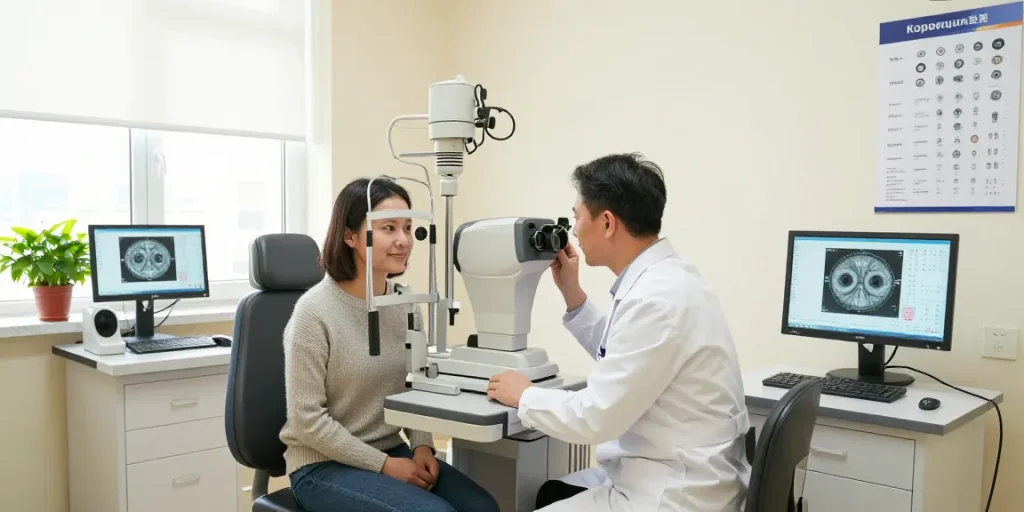
A professional eye examination is crucial for determining the appropriate course of action for vision correction. Trained specialists can perform Коррекция зрения assessments that include detailed tests to evaluate the severity of vision problems and recommend tailored treatment options.
Key Treatments and Technologies at SNU Eye Clinic
Overview of Advanced Eye Surgeries
SNU Eye Clinic is renowned for its advanced eye surgeries, which have successfully treated over 50,000 patients. Using cutting-edge technologies and techniques, these surgeries are performed with exceptional accuracy, ensuring that patients receive the best possible care.
Innovative Solutions: ICL and Toric ICL Explained
Among the revolutionary treatments offered, the Implantable Contact Lens (ICL) and Toric ICL stand out. These innovative solutions are designed for individuals who may not be ideal candidates for traditional laser surgery. The ICL provides a reversible option for vision correction, allowing for greater flexibility and comfort.
The Role of Detailed Tests in Treatment Planning
At SNU Eye Clinic, a comprehensive program includes 52 detailed tests categorized into seven groups. These tests evaluate various aspects of eye health, ensuring that each patient receives a tailored treatment plan based on their unique needs. By assessing factors such as corneal thickness, refractive errors, and overall eye health, specialists can create customized solutions that optimize visual outcomes.
Choosing the Right Eye Care Provider
Factors to Consider: Expertise and Experience
When selecting an eye care provider, consider factors such as their expertise and experience in performing vision correction procedures. Look for clinics with a proven track record of successful surgeries and positive patient outcomes. SNU Eye Clinic’s impressive statistics, including over 50,000 surgeries completed, demonstrate its commitment to excellence in eye care.
Evaluating Patient Care and Support Services
Patient care and support services are critical aspects of eye health providers. Evaluate the accessibility of consultations, the professionalism of staff, and the range of post-operative care options available. SNU Eye Clinic prioritizes patient-centered care, ensuring that each individual feels supported throughout their vision correction journey.
What Sets SNU Eye Clinic Apart?
What distinguishes SNU Eye Clinic from other providers is its focus on personalized treatment plans. With a commitment to innovation and continuous improvement in its offerings, the clinic ensures that patients receive state-of-the-art solutions tailored to their specific vision needs.
Personalized Vision Correction Solutions
Benefits of 1:1 Vision Correction Services
One of the hallmark features of SNU Eye Clinic is its 1:1 vision correction services. By providing highly personalized consultations, patients can expect an approach that considers their unique medical history and vision goals. This tailored method enhances satisfaction and overall treatment success.
Understanding Patient-Centric Approaches
In today’s healthcare landscape, patient-centric approaches are essential. SNU Eye Clinic embodies this philosophy, focusing on open communication, informed consent, and ongoing support. This commitment to understanding patient needs fosters trust and engagement, vital for long-term success.
Success Stories: Patient Experiences
Numerous success stories from satisfied patients underscore the effectiveness of the treatments offered at SNU Eye Clinic. These testimonials highlight the transformative impact of vision correction and the clinic’s dedicated approach to care. Patients often report significant improvements in their quality of life following treatment, reinforcing the importance of seeking professional help for vision issues.
The Future of Коррекция зрения: Trends and Innovations for 2026
Emerging Technologies in Eye Care
As we approach 2026, the future of vision correction is brightening with emerging technologies poised to revolutionize eye care. Advancements in laser technologies, as well as the introduction of artificial intelligence in diagnostics and treatment planning, promise to enhance the precision of eye surgeries and patient outcomes.
Predictions for Patient Care Advancements
In the coming years, we can anticipate significant advancements in patient care, including more seamless procedures, reduced recovery times, and an increase in non-invasive options. Moreover, telemedicine will likely play a more prominent role, allowing for convenient follow-up appointments and consultations.
Impact of AI and Automation on Vision Correction
The integration of AI and automation into eye care is expected to streamline processes and improve accuracy in diagnoses. By leveraging data analytics, healthcare providers can better understand patient needs and customize treatment plans, ultimately enhancing the patient experience.
What Can Patients Expect in the Coming Years?
Patients can look forward to a future where vision correction methods are not only more effective but also more inclusive. With continuous innovation and tailored treatments emerging, vision health is set to become more accessible and efficient.
Frequently Asked Questions
What is the recovery time for ICL surgery?
The recovery time for ICL surgery varies from patient to patient, but most individuals experience improved vision within a few days. Complete stability of vision typically occurs within a few weeks, depending on the individual’s healing process.
How do I choose the right procedure for my vision needs?
To select the most appropriate procedure, it is essential to consult with an experienced eye care professional who can assess your specific vision challenges. They will guide you through your options and recommend the best solution tailored to your needs.
Are there risks associated with eye surgeries?
Like any medical procedure, eye surgeries carry some risks. However, with advancements in techniques and technology, the risks are minimal. Discussing any concerns with your ophthalmologist can help alleviate fears and provide clarity.
What should I expect during an eye examination?
During an eye examination, expect a comprehensive assessment that includes tests for visual acuity, eye pressure, and overall eye health. The results will help determine the best course of action for your vision correction needs.
How can I prepare for my consultation at SNU Eye Clinic?
Prepare for your consultation by compiling a list of questions, discussing your medical history, and noting any visual changes you have experienced. This information is vital for your eye care provider to recommend suitable treatment options.